

Fires, Floods, and Other Climate-Related Disasters Spur Action
Within days of learning about the wildfires that leveled the Los Angeles communities, Alvin Puentevella ’20 began to assemble a team and seek the funding to launch the nonprofit Building For Neighbors (BFN). His mission: Deliver permanent housing within weeks—not years—to those who lose their homes due to natural or systemic disasters, often in the most vulnerable low-income communities. By reversing traditional recovery inequities and speeding up the process, Puentevella aims to create a model for equitable disaster recovery nationwide.
“Something clicked when the fires happened,” he said, explaining that he could no longer ignore the pull he felt to use his real estate investment and management experience to make a meaningful contribution. “Traditional disaster recovery systems are broken—it takes years to deliver housing. During that time, vulnerable communities dissolve, and low-income families wait the longest for help,” he continued. “We’re building the infrastructure to respond the next day with capacity to build at scale—to preserve communities and restore dignity.”
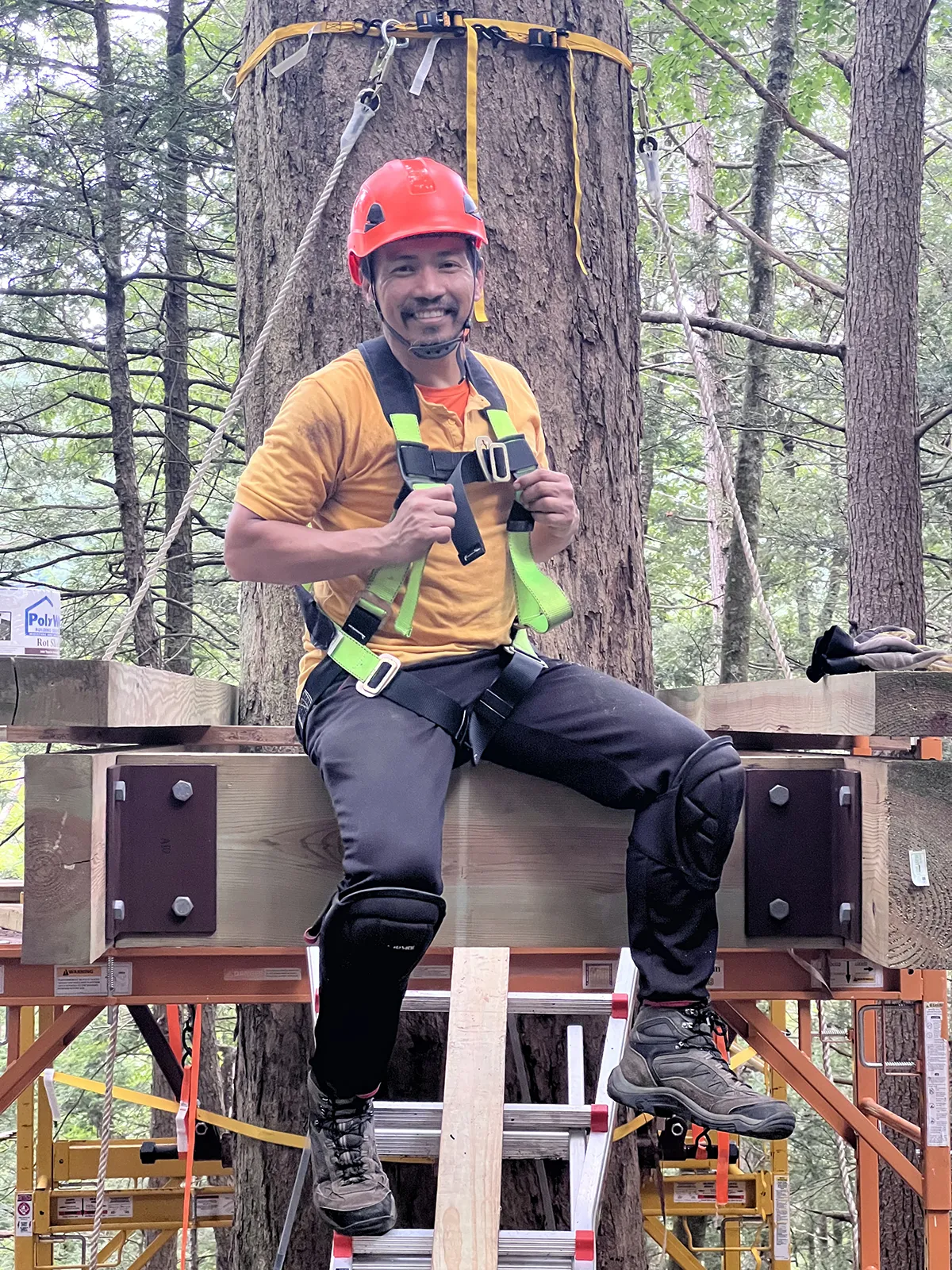
“People are languishing in trailer homes and selling their land to the highest bidder,” Puentevella explained. “There are plenty of people ready to take advantage of those in crisis. We’re the experts in the middle—between government, builders, and insurance companies—to lead the process and ensure people get the help they need.”
One of the first people Puentevella contacted to help launch Building For Neighbors was his former Vassar rugby buddy, Sam Ruben ’04. The two men reconnected in the fall of 2024 at Climate Week NYC, where Ruben, a co-founder of HyWatts, which deploys zero-emission “Power-Plant-in-a-Box” technology, was a speaker on energy resilience. With a background in 3-D printed building panels, community organizing, and housing systems innovation, as well as a dual-graduate degree in public affairs and business, Ruben introduced Puentevella to others who are fundamental to the success of Building For Neighbors, including building partners with expertise in modular and community-centered construction, venture capitalists, and local architects.
“My main role has been as a connector,” Ruben said, “bringing Alvin’s vision of low-cost, resilient rebuilding to the right people in the community so that it’s done right. These events bring out the best and the worst in people—those who are just out to make a quick buck and those who come together to help, regardless of their differences.”
Other alums have joined the effort to mitigate harm. In their work as wildfire safety educators in their Northern and Southern California communities, where wildfire activity continues to increase, both Susanne Lyons ’79 and Beth Burnam ’77 use their roles to cut across cultural and political differences. Lyons, who retired from a career in finance and as chair of the U.S. Olympic & Paralympic Committee, recently joined Vassar’s board as a trustee and moved from Marin County to Sonoma County in Northern California, where wildfires burned 77,758 acres in 2019. Building on her experience as a block disaster coordinator in Marin and the longtime organizational and crisis-management skills gained during her career, she has worked to certify her community in Firewise USA, a national program that provides communities and neighborhoods with a collaborative framework to mitigate wildfire risk.
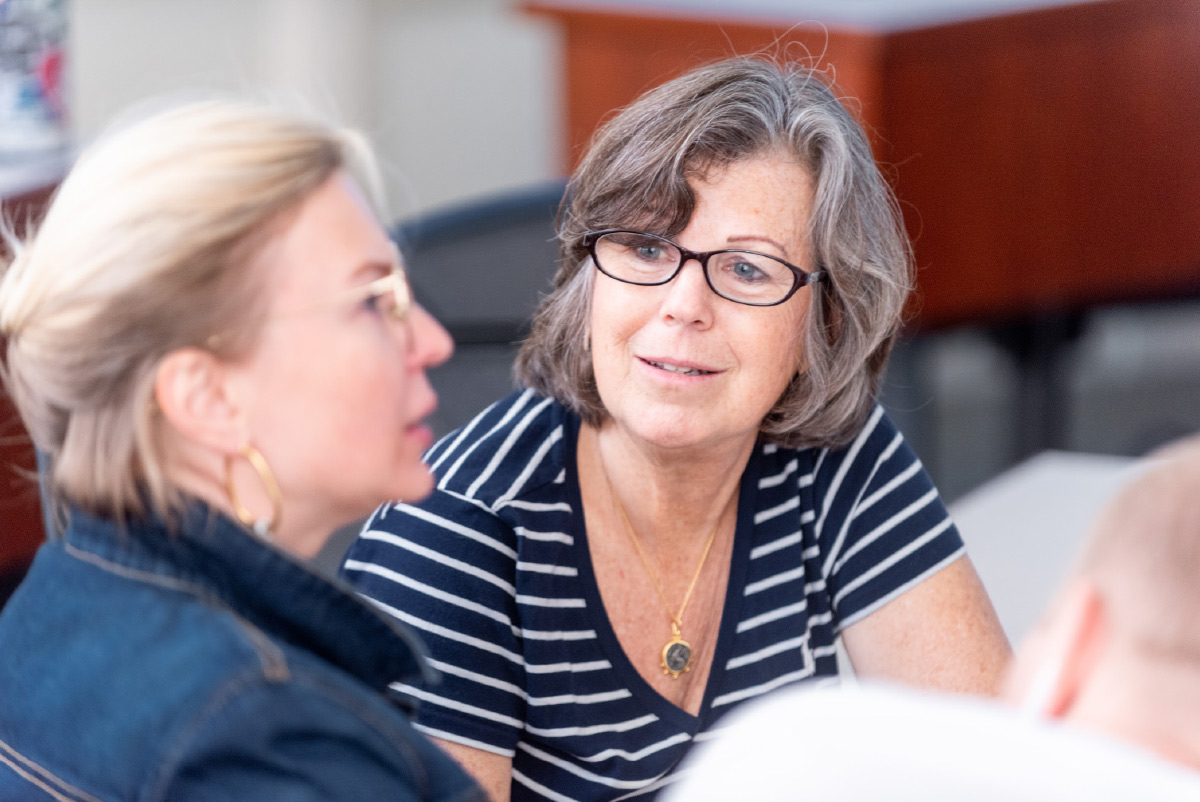

Lyons’s first step was to become involved with Communities Organized to Prepare for Emergencies (COPE), which hosts a summer potluck that features presentations by the local fire chief, a representative from their local PG&E utility, and advice about how to save farm animals in the event of fires or floods. She then brought Firewise into the community, which has since become one of 12 areas certified in Sonoma, with a three-year plan and annual reviews to mitigate risks through the modification of building materials and landscaping.
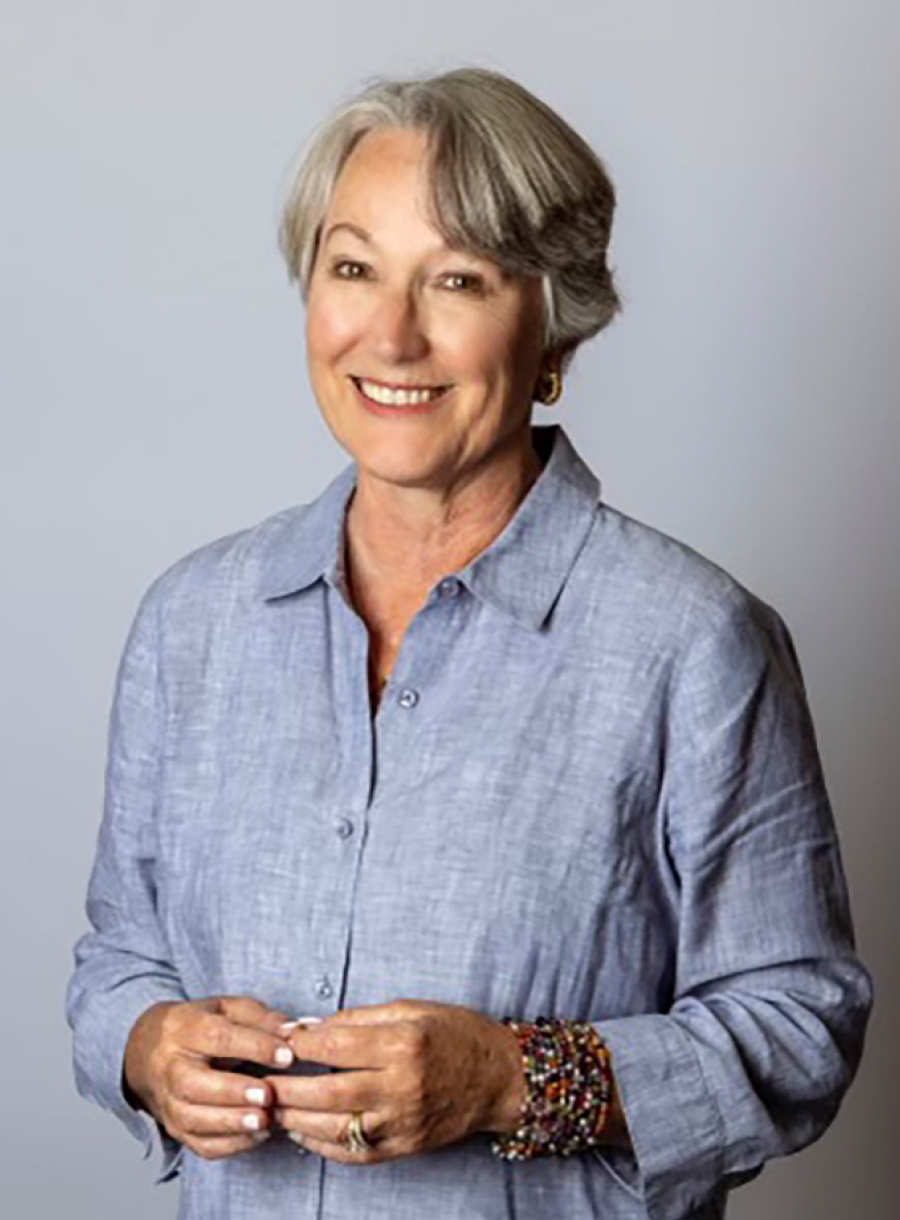
Courtesy of the subject
“I got to meet everyone and all their cats and their dogs,” she said. “And when half of our road collapsed this winter due to the flooding of the Russian River, we easily organized a letter-writing campaign to our representatives, which has us on track for repairs within the next few months—not years.”
Beth Burnam was a little surprised when, decades after earning an MBA from Wharton and then working in her family business in the Los Angeles area, she realized she was following in her grandmother’s and mother’s (Vassar ’49) footsteps as a “professional volunteer” (her son is a 2010 Vassar graduate). The remote, rural community in Topanga Canyon outside of Los Angeles where she lived for 25 years is populated by fiercely independent, self-reliant individuals—with minimal firefighting resources. She began to address that situation by writing grants for funds through the California Fire Safe Council, raising a total of $365,000, and implemented local programs to educate and help communities organize wildfire prevention. Now, as a regional coordinator for Firewise USA, she is working with 40 communities in the Eastern Sierra, spreading the word by first setting up tables in front of local shops and then giving Zoom presentations to educate and mentor neighborhoods through the six-month process of becoming recognized Firewise communities.
“This is my passion,” Burnam explained. “Seventy-five percent of the worst fires in California have occurred in the last decade, and 90 percent of the homes that ignite in wind-driven wildfires are by embers that land on wood shingle roofs, get in through vents, and are fueled by vegetation that surrounds a house. Homeowners can make a difference. First responders need us. Our homes don’t have to burn down.”
For more information on Building For Neighbors, visit buildingforneighbors.org or email alvin@buildingforneighbors.org.