

Exploring The Global “We”
seismic shift happened about 15 years ago in my scholarly field when public health activities conducted overseas (this typically consists of work on infectious diseases in low-income countries) were rebranded from “international” health to “global” health. It was a momentous shift supported by luminaries in the HIV/AIDS crisis and response, including major donors and the World Health Organization. The shift was more than rhetorical; public health professionals called for more equitable engagement of high-income and low-income partners and pointed out that power dynamics associated with wealth had been working against real progress in human health. Unlike “international health,” which was criticized for taking an “us/them” approach to international engagement, “global health” sought to forge collaborations around our common struggles and our shared humanity. The shift from an “us/them” mindset to an expanded conception of “we” has been life-changing. Study after study in global health provides evidence that collaboration, community-based engagement, and public trust are good for health outcomes, including maternal and child health, vaccination rates, reductions in childhood malnutrition, and the list goes on.
When I came to Vassar in 2017 and heard that nearly half of the students studied in international settings during their four years at Vassar, I was intrigued. What were they experiencing? What were they learning that time on campus could not impart? Students shared inspiring stories with me—stories about experiencing the remarkable museums of Europe, participating in environmental sustainability efforts in Tanzania, and learning about mental health education in Korea, among other experiences. Each story highlighted the differences between here and there—the culture, the weather, the food, and the languages. It all added up to tremendous learning about adapting to new situations and unexpected challenges. Students’ time away was often described as challenging but rewarding, because learning to navigate the differences brought new perspectives, agility, and confidence.
Over my career, I have traveled across the world, but it was when I went to Rwanda with Vassar students to study and teach at the University of Global Health Equity that I gained fresh insight into the nature of global education. We spent the first few days experiencing how different from the U.S. everything seemed. We were preoccupied with all the contrasts, trying to absorb the novel mountain views, the dirt roads filled with animals, the vibrant textiles, the small children carrying heavy containers of water, and so much walking. The many differences were both fascinating and overwhelming.
Yet, as we spent time in the classroom, working and learning together with our Rwandan colleagues as peers, a new sensibility began to emerge. We noted the many ways in which we were more alike than we were different from our partners in Rwanda. We all wanted to engage and learn; we all sought ways to protect human health and the planet’s flourishing. As colleagues, we were curious, caring, funny, scared at times, and lonely at others. We had triumphs about which we were proud, and we experienced disappointments as well; we were all human.
As the journey came to its end, where we once saw differences, we saw commonality. Trepidation had given way to familiarity, and we saw ourselves more fully in each other. For me, this is the magic of international study—to move not only over thousands of miles of air travel, but also from the narrowing and brittle conception of “us/them” to the expansive and resilient “we.”
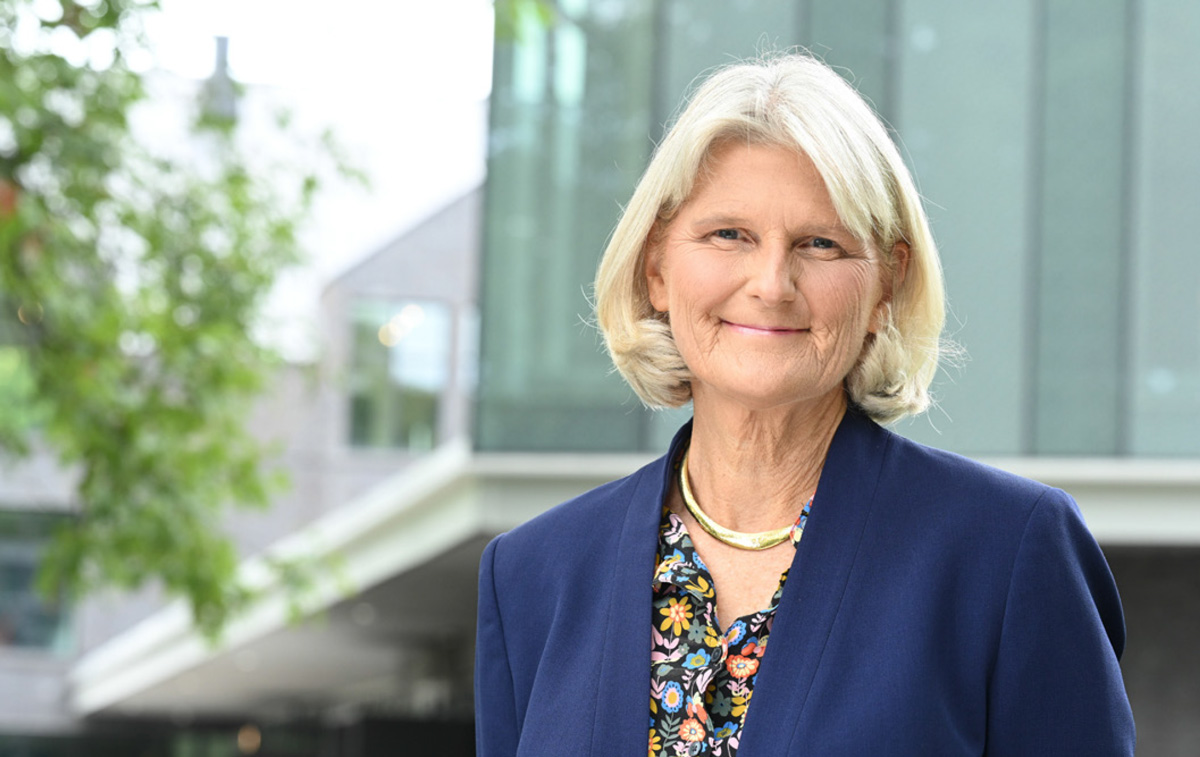

Elizabeth H. Bradley
President