

Vassar Today
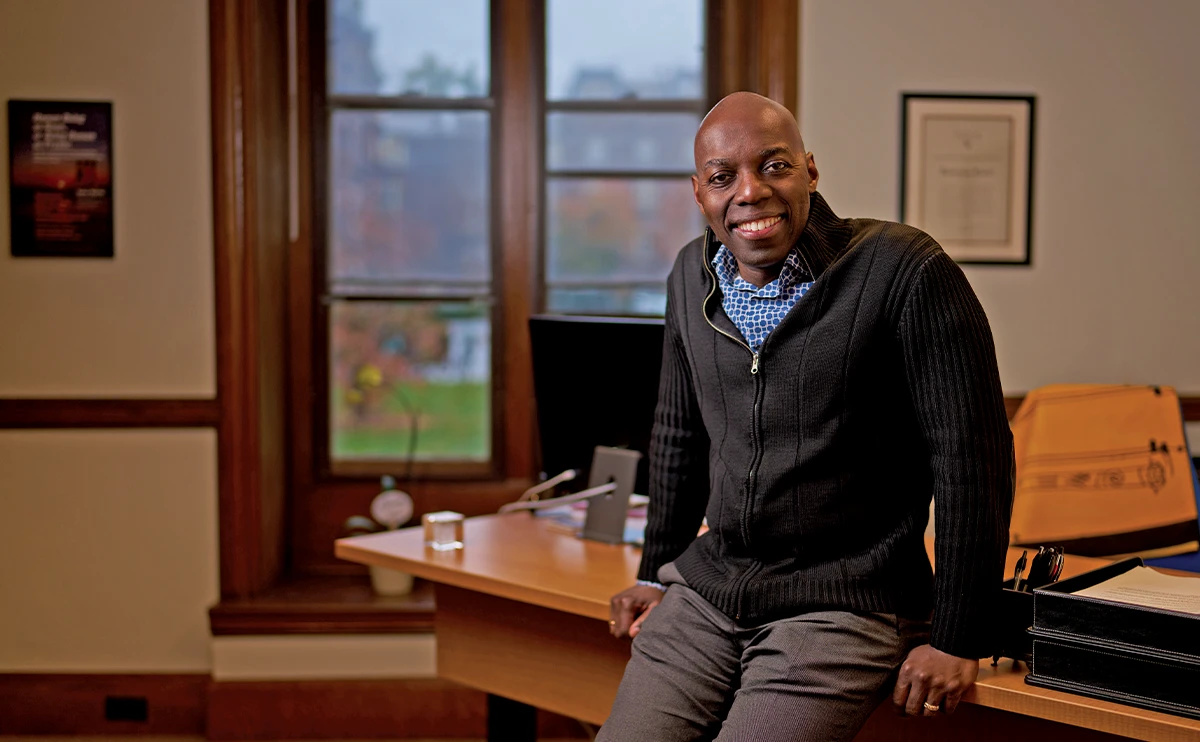
Vassar Welcomes a New Dean of the Faculty, Demetrius Eudell
Lucas Pollet
Vassar Welcomes a New Dean of the Faculty, Demetrius Eudell
Vassar delivers a thorough grounding in the liberal arts and offers research and experiential learning opportunities not usually available at the undergraduate level. Pulling this off takes vision, passion, and collaboration—and guiding it all is Vassar’s new Dean of Faculty, Demetrius Eudell.
Eudell comes to Vassar from the Cooper Union for the Advancement of Science and Art, where he served as Vice President for Academic Affairs. He had previously worked at Wesleyan University as Dean of Social Sciences and Professor of History. Eudell graduated from Dartmouth College and earned a PhD in U.S. history from Stanford University. After the start of his tenure in July, Vassar’s top academic officer sat down for a wide-ranging interview.
What attracted you to Vassar?
Vassar has a very storied past, and I know of some of the esteemed faculty who have taught here. Also, the emphasis on the liberal arts was very important to me—the kind of broad educational experience provided to students in the humanities, social sciences, and natural sciences has been where I am most comfortable and engaged. That was combined with a very high recommendation of President Bradley from colleagues who were very impressed with her and liked working with her.
What would you say to those who question the value of a liberal arts education in today’s world?
There are all kinds of studies that provide good information on post-college trajectories in terms of career success, and liberal arts students do very well despite what some say. But beyond that, reflecting on the problems we face in the world, which are geopolitical, environmental-climatic, socio-religious, these are, in effect, questions of how we understand ourselves as humans. You need multiple perspectives from a broad range of disciplines to deal with these urgent social questions, and this is where the liberal arts remain very important.
Were you a studious child?
I was bookish as a child. I did well in school. It’s interesting: My mother was, in her later career, a social worker. She had done a number of other jobs, including being a cleaning woman. And my father didn’t finish high school. But my mother was very strict about school. I don’t think I missed a day from kindergarten to fifth grade! I always got this award for perfect attendance. I grew up in the church, so I think that regulation and sort of strictness meant you followed rules. And I was told to go, so I went. My closest friends in middle school were also studious because, as you know, the U.S. educational system is highly tracked racially. In the advanced courses, there were often not so many Black students. So the few of us who were in these courses together—including two with whom I’m still really quite close, from sixth grade [on]—we were sort of bookish.
How did you decide to major in French as a college student?
That’s a very funny story. Do you remember a show called The Jeffersons? Louise, “Weezy,” had a sister, Maxine, who lived in Paris, and she was so cosmopolitan. And I thought that’s what you do: You learn French and you become cosmopolitan! That’s part of the story. The other part is that Dartmouth has these really amazing foreign-study programs, where you’re required to be away for a part of the regular academic year studying abroad. I was also attracted to a certain way of thinking about questions in philosophy, “the continental” versus “the analytic” approach. It was very important, generally, for the development of my thinking.
How did this lead to a PhD in U.S. history?
I was in Africa for a year on this fellowship at Dartmouth, in Sénégal. That year was very important to me in terms of personal growth, because when you’re a Black American, you’re taught a certain thing about the country’s history, and then you come to understand there’s a counter history. You question, through the prophetic writings of James Baldwin or the evocative novels and prose of Toni Morrison, what does it mean to be an American? What does it mean, in particular, to be a Black American? My Americanness became very clear [in Africa], and that was very useful. I had two really extraordinary professors while I was there at the Université de Dakar, and the way in which they conveyed history—there was something that I wanted in that knowledge. So, it was that experience of learning African history and literature that compelled me to want to learn more about U.S. history.
What is your academic specialty?
I’m trained in 19th-century U.S. history. I wrote a book examining the end of slavery in Jamaica and South Carolina [The Political Languages of Emancipation in the British Caribbean and the U.S. South]. So, I would say 19th-century U.S. history, Black history and culture, and the history of the Americas.
Is there an accomplishment that you’re particularly proud of?
I just finished, as Principal Investigator, a website, carceralconnecticut.com, funded by a major Mellon grant as part of their Humanities for All Times Initiative. It was a collaboration with colleagues, a lot of undergraduate students [at Wesleyan], and people who are outside [of academia]. It looks at carcerality broadly conceptualized. I think it makes a statement about how I see and understand the world in a way that is multidisciplinary, that is deeply researched and engaged.

Assorted
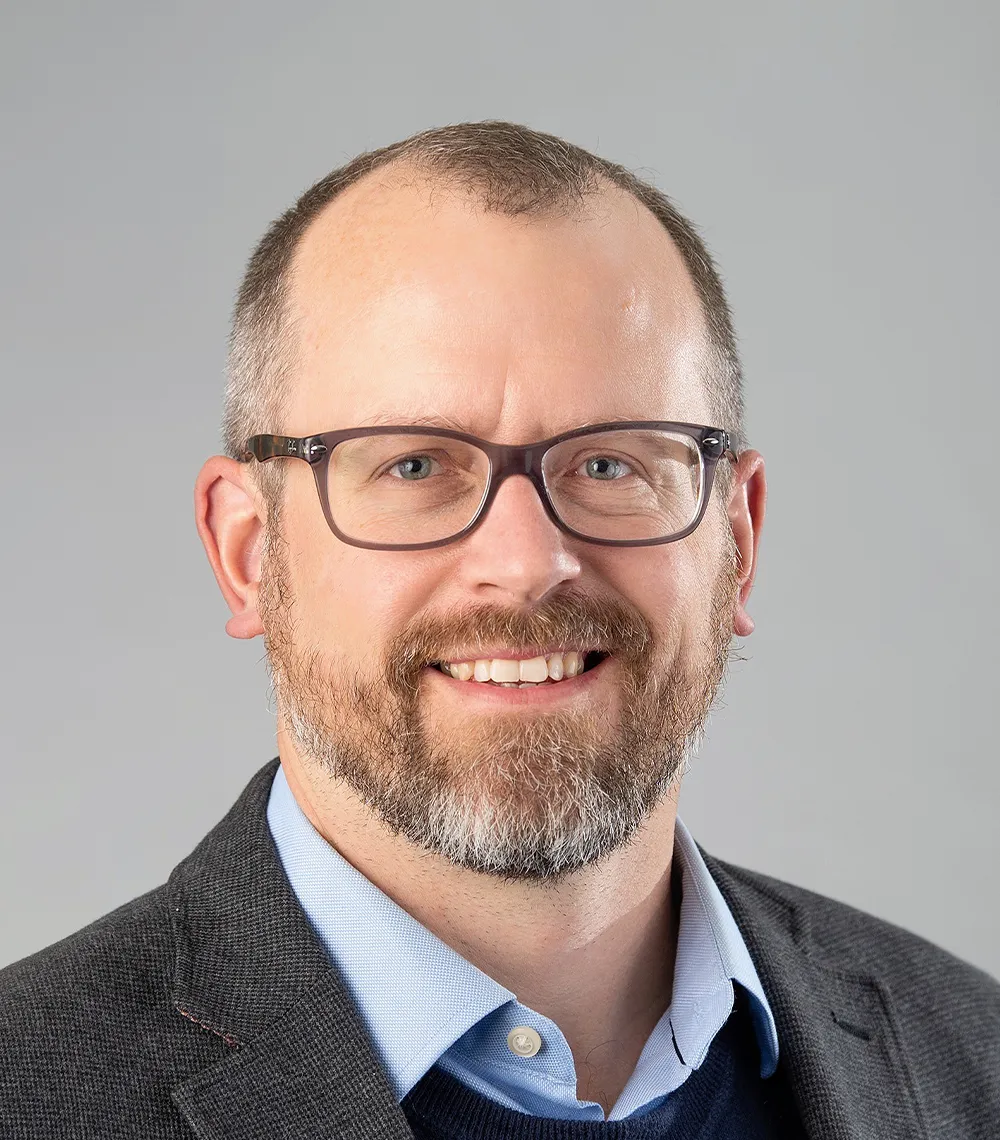
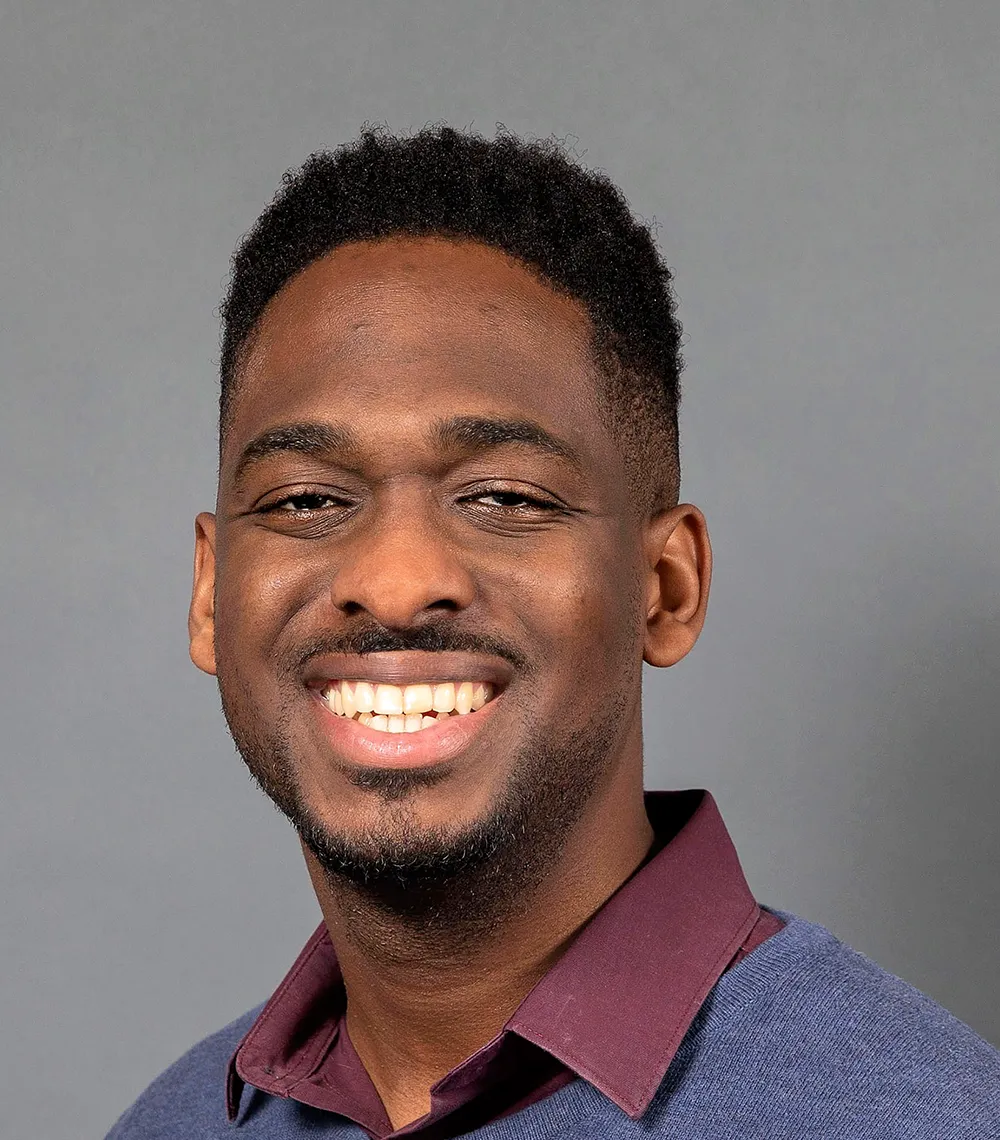
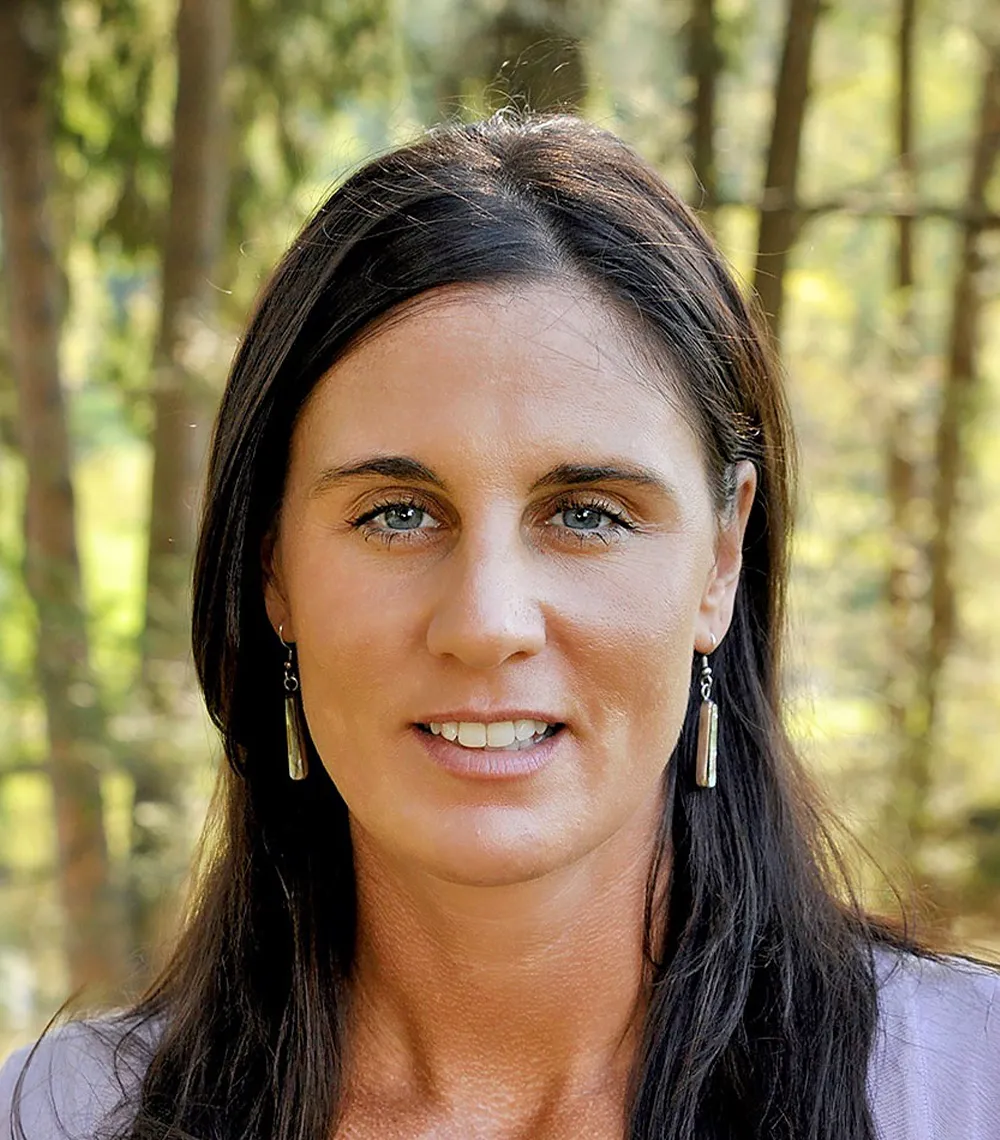
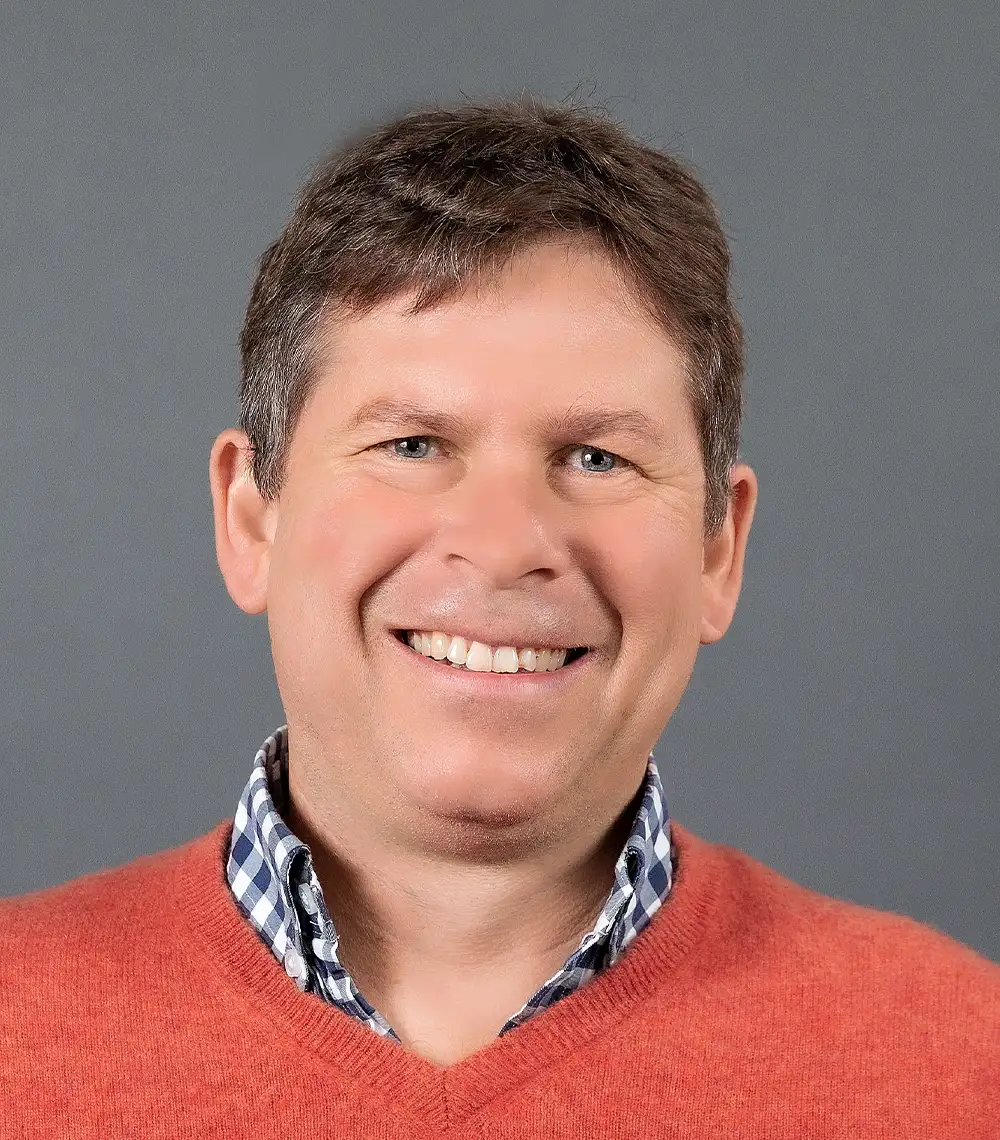
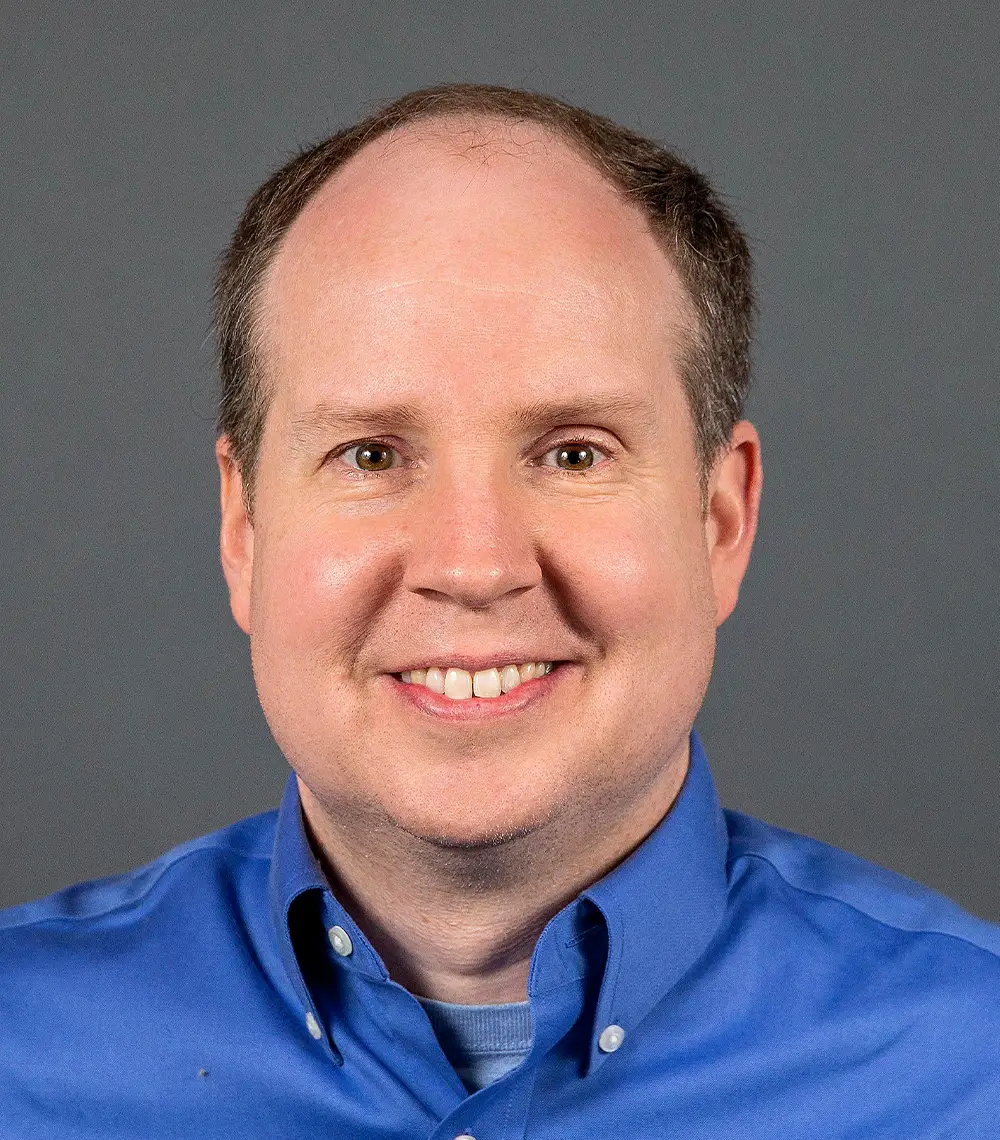
At Convocation, held at the beginning of the Fall Semester, Dean of the Faculty Demetrius Eudell announced the presentation of endowed chairs to five members of the faculty: From above: Zachary Donhauser, Professor of Chemistry on the Mary Landon Sague Chair; Deon Knights, Assistant Professor of Earth Science and Environmental Studies on the Mary Clark Rockefeller Chair; Molly McGlennen, Professor of English on the Alexander and Ethel Klemin Chair in English; Brian Daly, Professor of Physics on the Alexander and Ethel Klemin Chair in Physics; and Thomas Parker, Professor of French and Francophone Studies on the Louise Boyd Dale and Alfred Lichtenstein Chair.
Courtesy of the subject
At Convocation, held at the beginning of the Fall Semester, Dean of the Faculty Demetrius Eudell announced the presentation of endowed chairs to five members of the faculty: Clockwise from above: Zachary Donhauser, Professor of Chemistry on the Mary Landon Sague Chair; Deon Knights, Assistant Professor of Earth Science and Environmental Studies on the Mary Clark Rockefeller Chair; Molly McGlennen, Professor of English on the Alexander and Ethel Klemin Chair in English; Brian Daly, Professor of Physics on the Alexander and Ethel Klemin Chair in Physics; and Thomas Parker, Professor of French and Francophone Studies on the Louise Boyd Dale and Alfred Lichtenstein Chair.
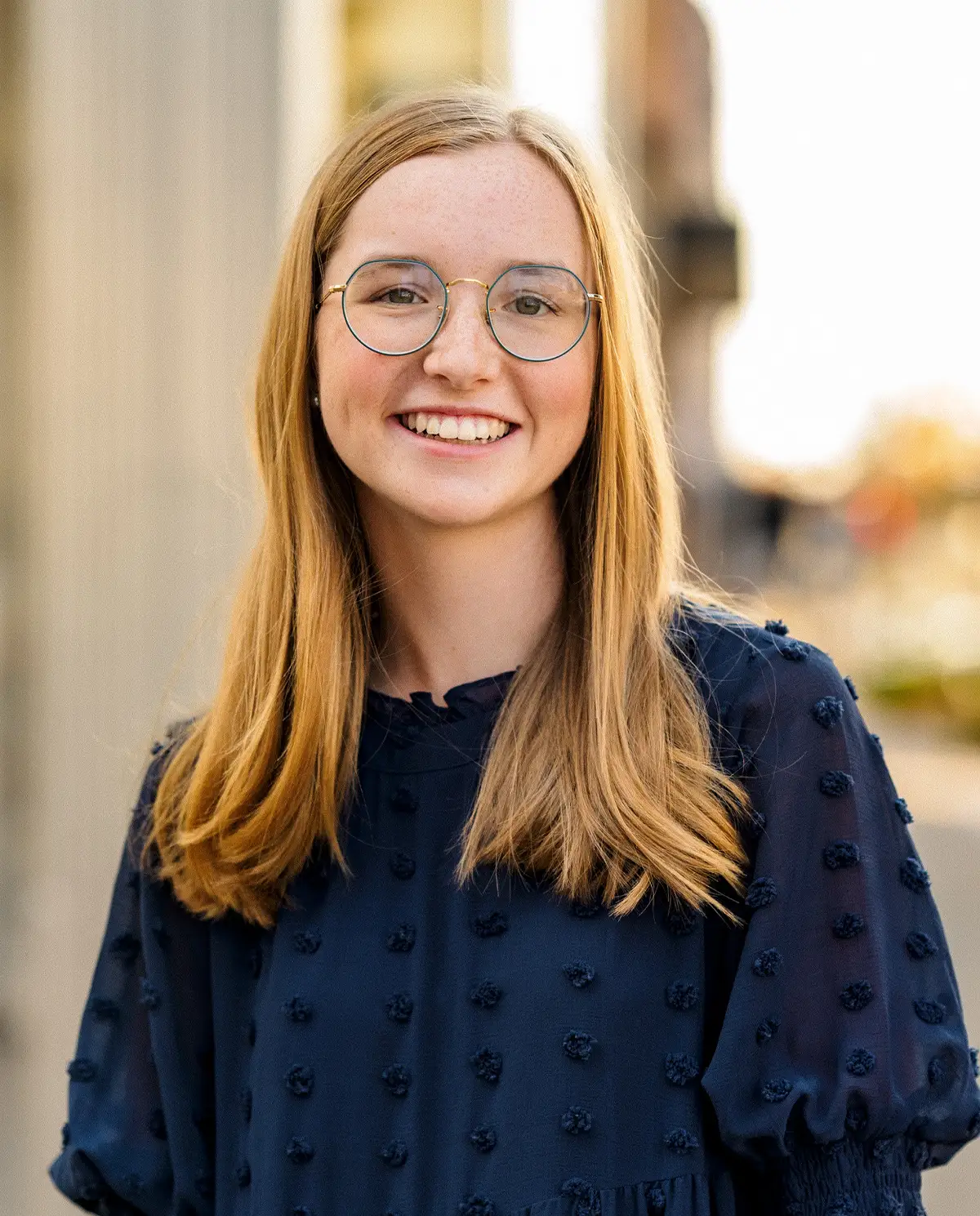
Incoming first-year student Aubrey Scherer ’29 of Arkansas, pictured right, was named a U.S. Presidential Scholar for 2025. The U.S. Presidential Scholars Program annually recognizes two distinguished graduating high school seniors from each state for their academic achievement. Application is by invitation only, and about 6,400 candidates qualified for the 2025 awards. The program was established by executive order of President Lyndon Johnson in 1964 and remains one of the nation’s highest honors for high school students.