

Why Multidisciplinary Studies Matter
Karl Rabe
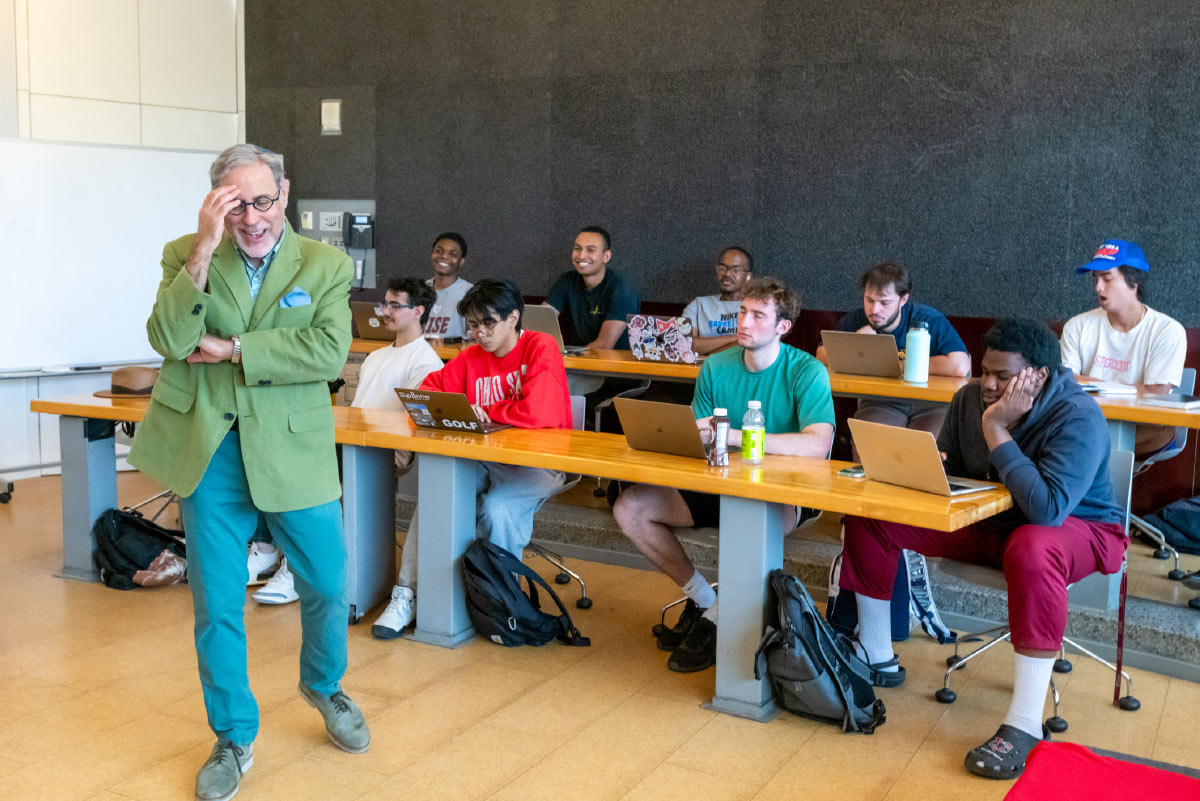
This approach to learning continues to shape lives long after graduation. Alums across the generations say the programs have helped them discover not only meaningful work but lasting purpose. Whether in public service, science, activism, entrepreneurship, or the arts, they credit the multidisciplinary programs with giving them the confidence to build careers driven by passion, flexibility, and a deep understanding of the world.
Rising to the Challenge
Karl Rabe

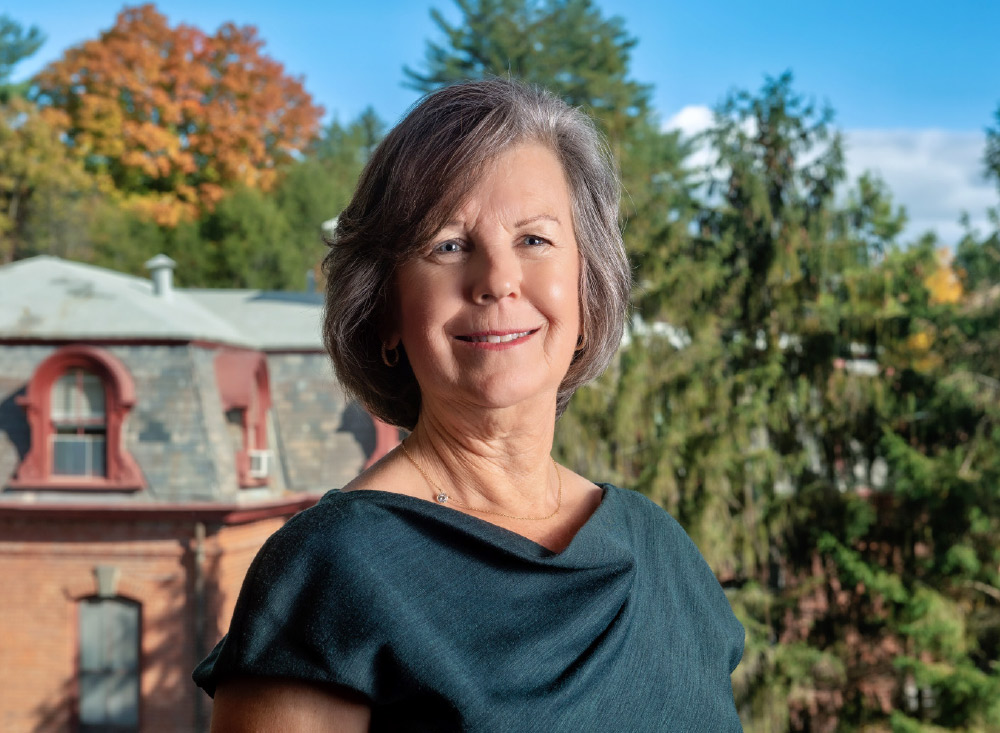
When Burnam was at Vassar, STS was split into two concentrations: critical thinking and urban studies. She took a lot of sociology, political science, history, and philosophy classes and chose the critical-thinking path. Her professors challenged her, which was a reason she went into the department in the first place.
The STS seminar course grade was based on participation and a single paper on a technological innovation and its social implications. While many classmates chose to write their papers on major items like cars and phones, Burnam wrote about disposable diapers because of the convenience they offered and the unintended consequence of groundwater pollution by E. coli.
The Multidisciplinary Programs

American Studies
Asian Studies
Environmental Studies
Global Nineteenth-Century Studies
International Studies
Jewish Studies
Latin American and Latinx Studies
Media Studies
Medieval and Renaissance Studies
Neuroscience and Behavior
Science, Technology, and Society (STS)
(the first official multidisciplinary program)
Urban Studies
Women, Feminist, and Queer Studies
Her experiences at Vassar and later at Wharton, where she helped create her own major in management and innovation, contributed to the broad perspective she values in today’s ever-changing world.
“I’m a big believer in the multidisciplinary programs because I don’t think the world is defined in these clear boundaries of a department,” she said. “The multidisciplinary perspective is just the way I see the world. It’s in my thought process all the time. I’m such a believer in the programs that I managed to have both my kids drink the Kool-Aid, and they both majored in multidisciplinary programs.”
Choose Your Own Adventure
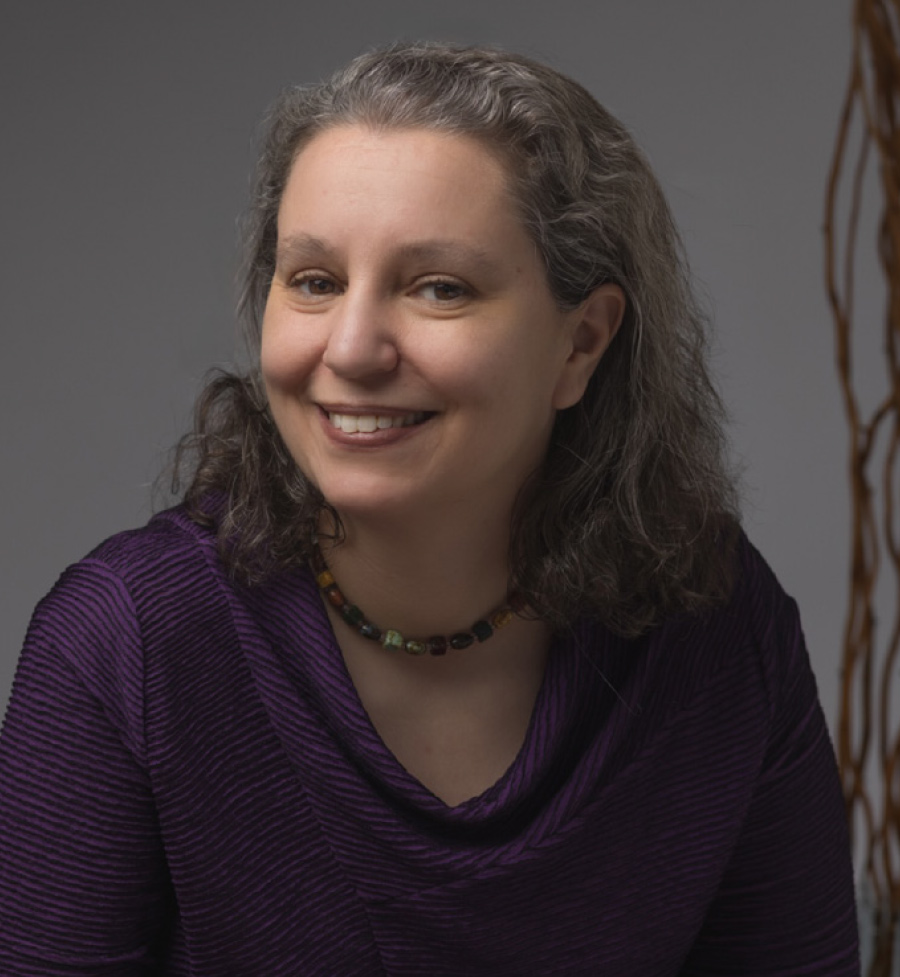
“It moved me, opened my mind, and showed me a path to my purpose in life that I will forever be grateful for,” Stone said.
While at the College, Stone interned five times for the Poughkeepsie YWCA’s battered women’s service, answering crisis calls, and going to court as part of her fieldwork assignment. She kept a journal and wrote papers about what was happening in her field placement and earned credit for her fieldwork while getting to know survivors.
Because of the way the multidisciplinary and fieldwork programs were integrated, Stone was “able to sit and analyze all of the realities because I was in the courthouse with survivors and then I came back to campus and did research papers about domestic violence and family law. I was better able to support survivors because of all the rigorous thinking my professors inspired me to do, and my papers were more grounded in reality because of my fieldwork.
“I think that people in more traditional majors had more of a path, and we had more of a ‘choose your own adventure,’” Stone said. “Having had that issue- or problem-focused—but very methodologically broad—lens to my education made it possible for me to follow both the problems and solutions to this work. I got to see gender-based violence the way sociology sees it in one class, the way political science sees it in another class, and the way it shows up in literature in a third. This helped me identify creative solutions that were informed by many academic disciplines but not wedded to any one.”
courtesy of the subject
The combination of hands-on fieldwork and the broad, multidisciplinary study Stone experienced at Vassar shaped how she approaches gender-based violence to this day.
Infinite Ways to Solve a Problem
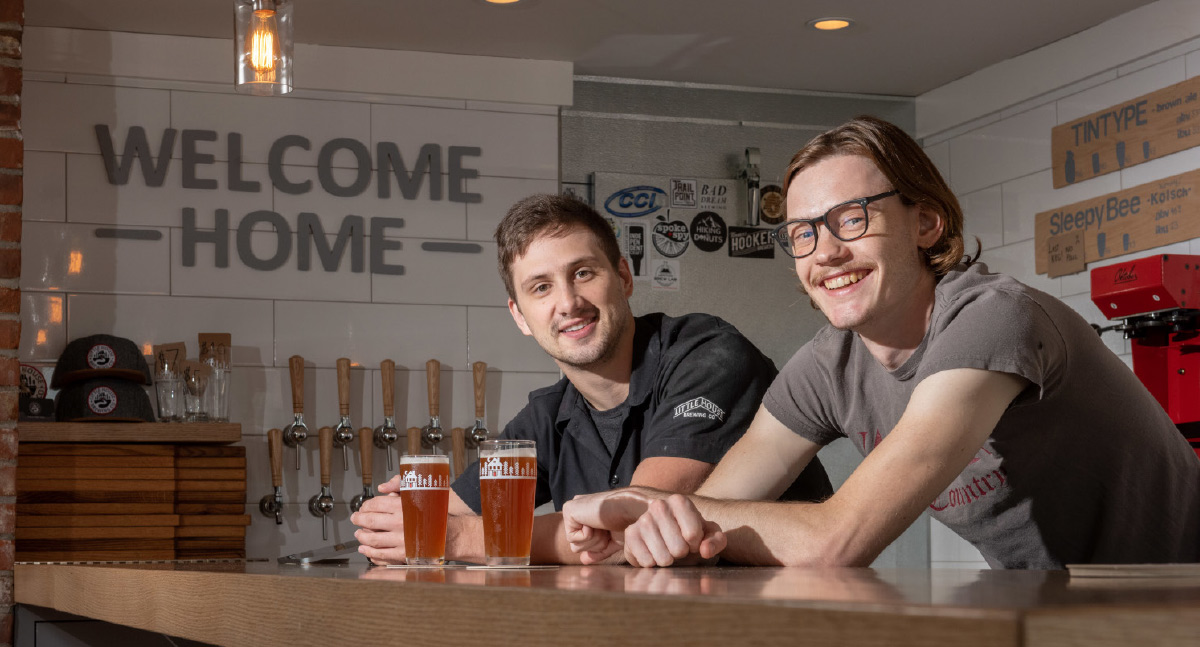
Schaeffer bounced between several different majors, including history and studio art, before deciding to major in STS.
Karl Rabe
Challey became Schaeffer’s advisor and, later, a supporter of Little House Brewing Company. Schaeffer completed an independent study on Matthew Vassar’s brewing career and wrote his thesis on the rise of craft beer in the U.S., examining it through the lens of beer as a socially constructed technology.
“STS taught me that there are a near infinite number of ways to solve a problem, and that it can be very valuable to know not only how something happens, but why it does,” he said. “This has been very useful in commercial brewing, where something is always bound to go wrong, be it an electrical issue, a failing pump, inconsistent raw materials, or uncooperative yeast.”
A Calling
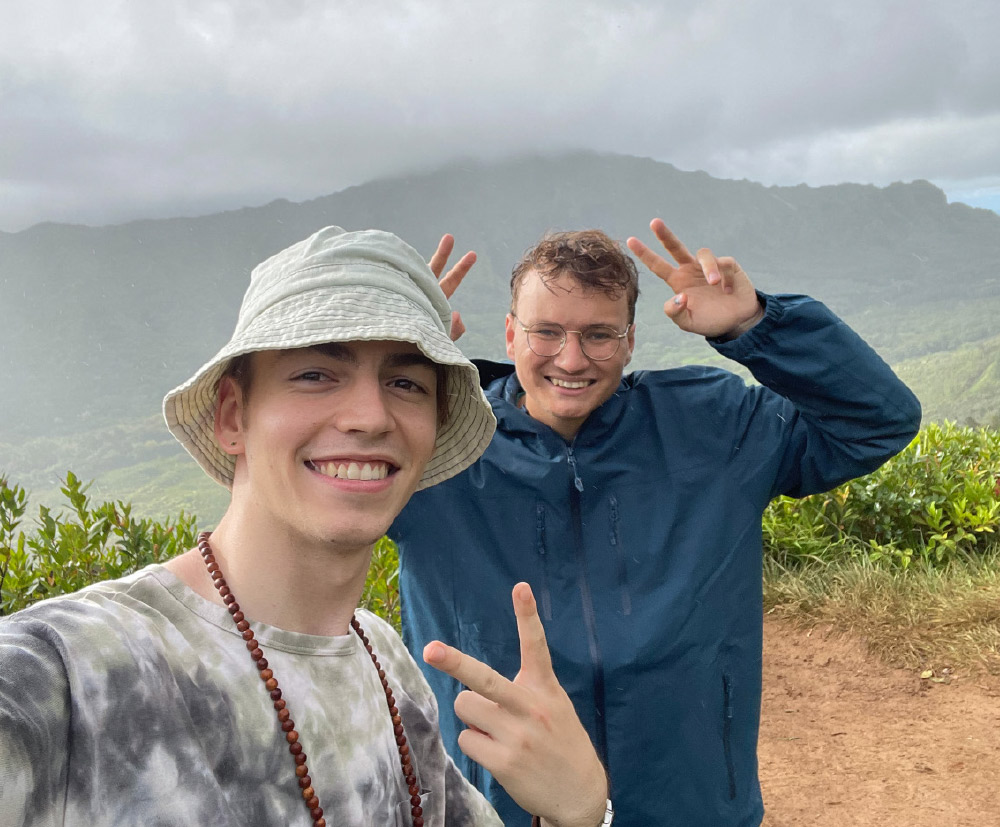
“It felt like a calling and a program that fit my interests well,” Unruh said. “My entire degree was looking at different ways of thinking and viewing the world and its issues. It gave me the flexibility that I felt I really needed and allowed me to create a college experience that worked best for me.”
After graduating, Unruh traveled to Malaysia to participate in the Consortium on Forced Migration, Displacement, and Education, a Mellon Foundation–supported collaboration between Vassar, Bard, Bennington, and Sarah Lawrence colleges and The New School. There, he and other students studied migration issues and worked directly with Southeast Asian migrant communities.
Through it all, International Studies Professor Timothy Koechlin’s words have remained with him: “International doesn’t necessarily mean the other side of the world. International can be the state over from you or even down the street.”
Courtesy of the subject
A Home for the Multidisciplinary Programs
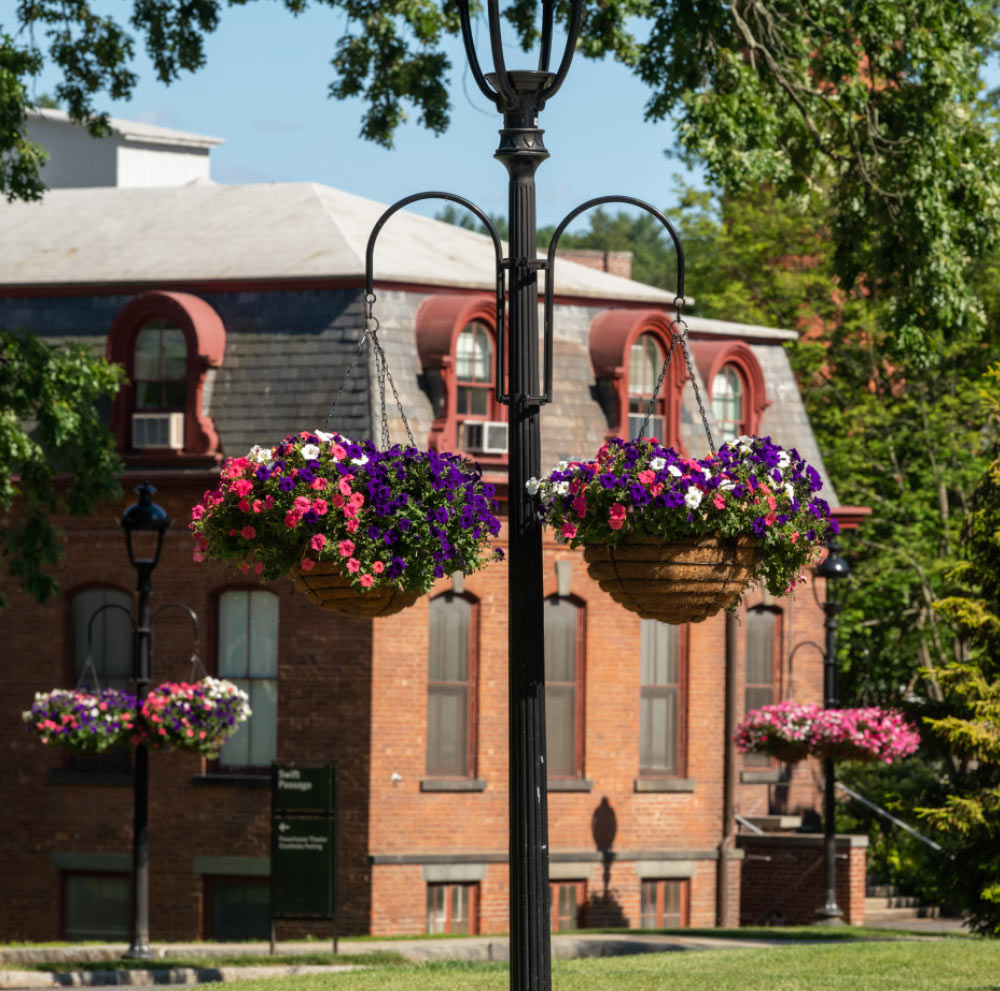
To give the programs a more collaborative and central home base, the College is planning a total renovation of the building that will transform it into the Center for Multidisciplinary Study as a part of the Fearlessly Consequential campaign. The building will be designed with learning and creativity in mind, giving the multidisciplinary programs a home fit for their unique and cooperative learning mission.
To learn more about how you can support the Center for Multidisciplinary Study, visit go.vassar.edu/multisinfo25.