

Alum Donates World-Class Collection of Harriet Beecher Stowe Materials to Vassar
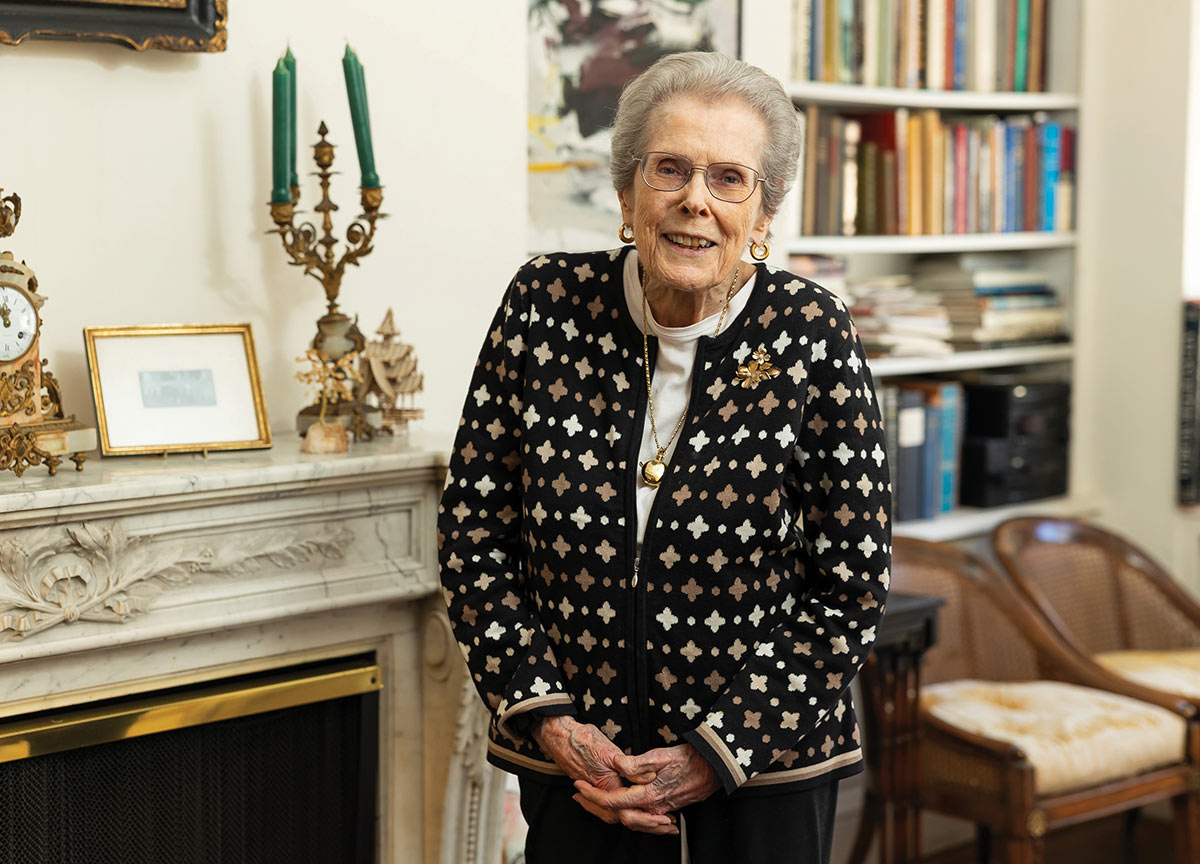
Comprising more than 500 items, the Schlosser collection features all 40 issues of the abolitionist weekly The National Era in which Uncle Tom’s Cabin was first serialized in 1851, plus the 1852 first edition of the printed book and Stowe’s handwritten manuscripts. Advertisements, ceramic plates, and other memorabilia round out the collection.
Schlosser, a descendant of one of Stowe’s 10 siblings (one of whom was a Vassar trustee), said she chose her alma mater to receive the collection because of her enduring fondness for the College, where she had an “absolutely splendid” experience as an art history major, and because of Vassar’s unique approach to allowing undergraduates access to its Archives and Special Collections.

Courtesy, Archives & Special Collections, Vassar College Libraries
“This is one of the greatest acquisitions for the Archives and Special Collections Library during my 25-year career here,” noted Vassar’s Head of Special Collections and College Historian Ronald Patkus. “We are extremely grateful for this wonderful gift. As the largest and most important collection of this kind in private hands, it will add considerably to Vassar’s holdings and provide an outstanding resource for teaching and research.”
Harriet Beecher Stowe intended Uncle Tom’s Cabin as a rallying cry against slavery in the wake of the Fugitive Slave Act of 1850. The book became a cultural phenomenon the likes of which had never been seen before, with printing presses running 24 hours a day to meet the demand. Later, some stage adaptations, particularly in the South, complicated the book’s legacy by changing the story in order to thwart Stowe’s abolitionist message.
“To think about 19th-century American culture, you have to be able to contend with Uncle Tom’s Cabin in all of its messiness,” said Vassar Assistant Professor of English Blevin Shelnutt, who teaches Stowe’s novel at Vassar as an example of the sentimental literary tradition shaped by 19th-century women authors. “I feel really lucky to have this kind of proximity to a collection of this magnitude and importance for 19th-century American culture,” she said.